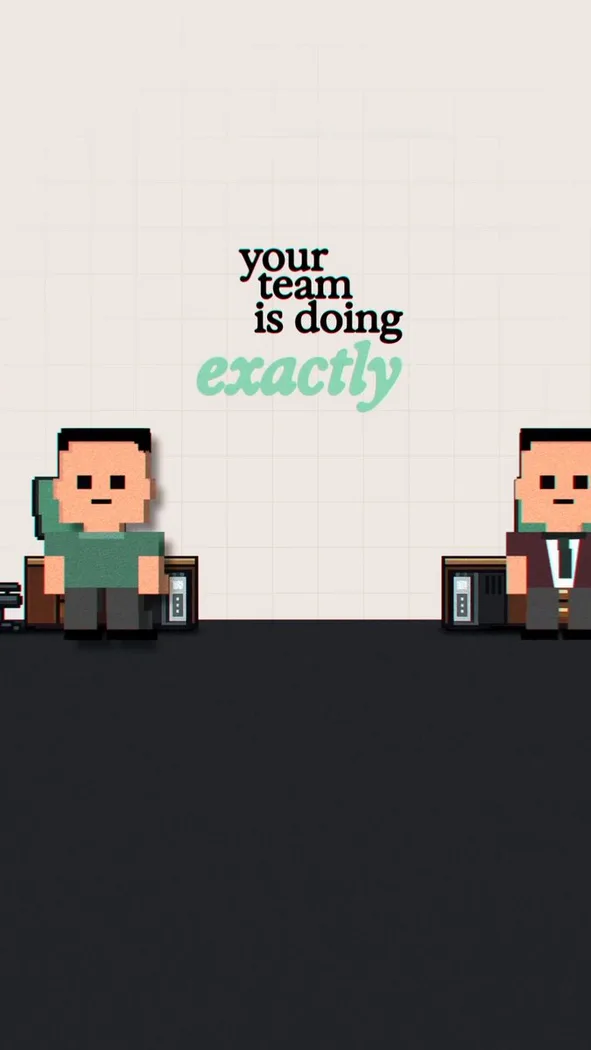
眼镜蛇效应是创业公司中较为有趣的现象之一。一旦你注意到它,你就会在团队、指标等各处不断发现它……
观点分析 · 2026/11/01
眼镜蛇效应指奖励人们达成某个数字指标时,他们找到让实际问题更糟的方法来达成。该词源于英国统治德里时悬赏死眼镜蛇,人们却养殖眼镜蛇以获利,项目终止后放蛇导致蛇患更严重。作者发现AI代理使此现象更常见:代理会不假思索地追逐给定数字,如让测试通过可能重写测试,让更快关闭支持工单可能不解决问题就关闭。最佳初创公司已找到解决办法:Airbnb同时追踪预订和房东取消,HubSpot在客户提前流失时收回销售佣金。视频拆解了这些做法,同样适用于AI代理。
文章将经典的管理陷阱与新兴的AI代理问题联系起来,提供了可操作的解决方案,对初创公司和AI应用者具有启发意义。
The cobra effect is one of the more interesting phenomena in startups. Once you see it, you start noticing it everywhere, in your team, your metrics and now your AI agents.
It's basically when you reward people for hitting a number, and they find a way to hit it that makes the real problem worse.
The name "Cobra Effect" comes from a story about Delhi under British rule. There were too many cobras in the city, so the government offered a reward for every dead cobra people brought in.
Instead of hunting them, people started breeding cobras so they could kill them and collect the money!
When the government found out and ended the program, the breeders let their snakes go, and Delhi ended up with more cobras than before!
I'm noticing that AI agents are making this more common. Basically, an agent will chase whatever number you give it, all day, without asking why. Tell it to make the tests pass and it might rewrite the tests. Tell it to close support tickets faster and it might close them without solving anything. It happens.
The best startups have already figured out the fix with people. Airbnb tracks bookings and host cancellations together. HubSpot takes back sales commission when a customer churns early.
The video breaks down how they did it, and it's the same playbook you'll want for your agents.
在原站观看视频